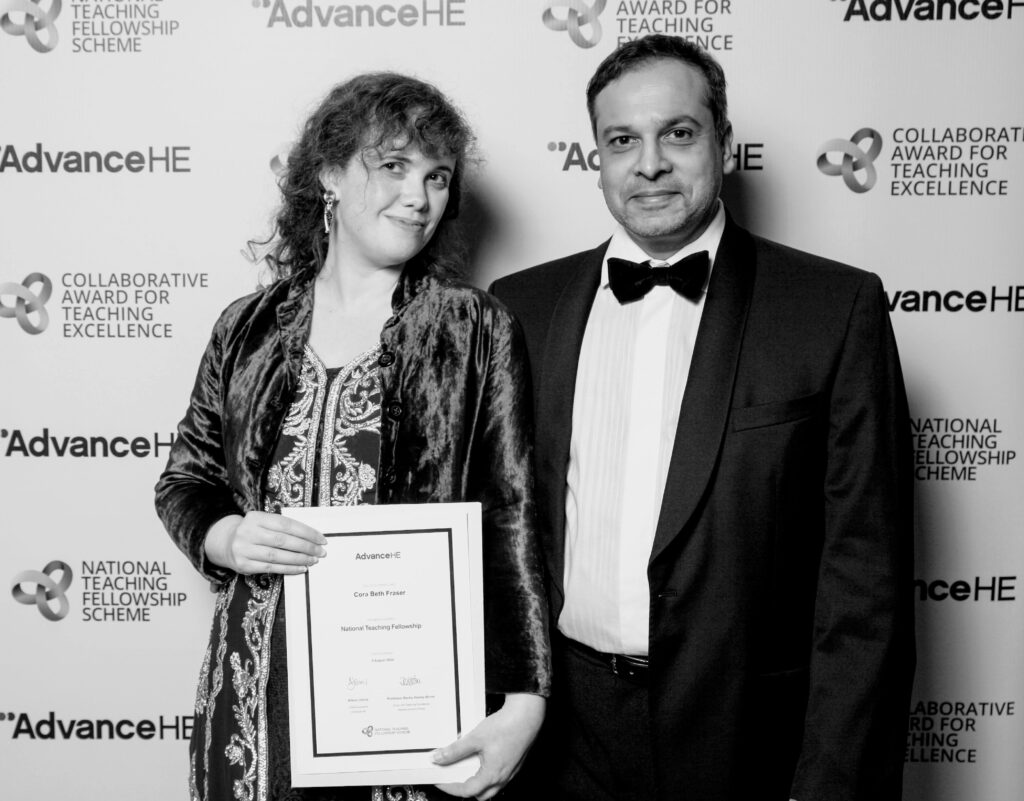

This week we caught up with fraut co-director Dr Tony Mohammed, to ask him about how he came to create fraut.
How did the idea for fraut occur to you?
I work as a family doctor in a busy urban surgery. One day a single mother came in with her child. Her older child was autistic, and she wondered if the child she brought in might be autistic too. She was struggling to manage and hoped that a diagnosis might open some doors to support services.
Autism certainly seemed to be a possibility, so I did a referral for assessment.
The referral was rejected. Not only that, but my practice also received a letter from the local service commissioning group stating that local GPs were now prohibited from referring young people for assessment at all.
The letter advised directing any families seeking an autism or ADHD assessment for a child or young person to go to their child’s school instead. The school would work with the parents to determine the best course of action to meet the young person’s needs. There was now nothing I could do for the families who came in, except send them somewhere else. It was deeply frustrating.
At the same time I also started to notice that GPs receive little training (sometimes no training) on practical autism support for families. In the absence of training, we usually sign-post families to other services – in my local area that includes the Autism Hub and Daisy Chain. They do a fantastic job with the families who contact them. But of course some families don’t.
I wanted to do more for the families who came to me, to provide a layer of support while they were waiting for a diagnosis and to offer more practical help than most GPs are able to provide. The demand for services is huge, and many families are desperate.
I spoke to my appraiser (GPs have yearly appraisals with objectives and targeted training) and we agreed a plan: I would look for GP training in autism support, and I’d also start investigating what I might be able to develop myself, to help autistic families.
I found some training on the NHS England training portal for hospital staff – this included the excellent Oliver McGowan training, which has been rolled out across hospitals over the last few years. But disappointingly there wasn’t much training specifically for GPs.
So I turned to the second part of my plan – investigating what I could do myself to help.
In this I had two particular advantages. One was my background in computing, which opened up a lot of possibilities. The other was a connection with Cora Beth, who does a lot of groundbreaking work on neurodiversity support at the Open University and is an award-winning teacher (she’s even been shortlisted for ‘Most Innovative Teacher of the Year’ in the Times Higher Education Awards 2025). Together we thought we could create something that would reach people.
After a lot of brainstorming and hard graft we came up with fraut.
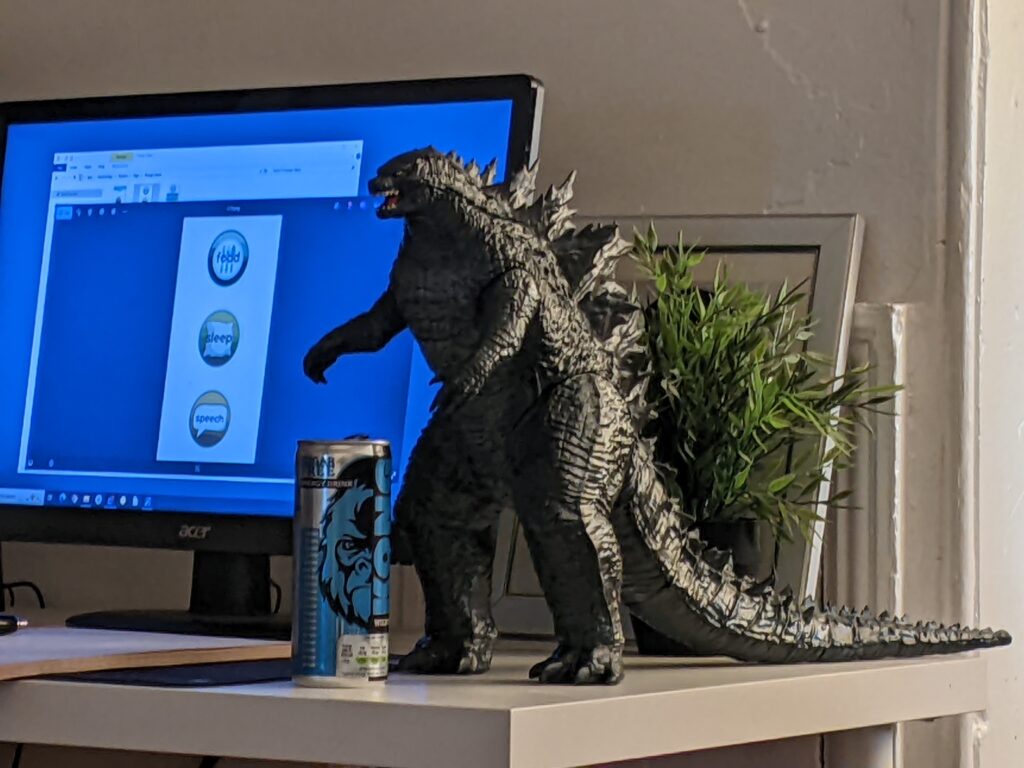
Why did you decide on an app?
Family doctors don’t get a lot of time allocated with patients. Usually an appointment is only 10 minutes long, and often the amount of help families need can’t be shoehorned into that time.
So we looked at ways for families to access information in their own time and a pace that would suit them. The problem with leaflets is that they don’t always cover the information you need in sufficient depth; while for busy, stressed parents, a whole book can be off-putting. Also people learn in different ways – some like diagrams, some like to keep records, and others like to watch videos.
We realised that if we built an app we could include various different types of media; and we could break the contents down into handy chunks. Users could dip in and out; and the key material would work offline (excluding videos which are streamed).
We hoped to create a valuable resource that families could turn to for support while waiting for a diagnosis or when their kids are newly diagnosed. We weren’t designing a system to replace the hospital experts or our excellent community services; our goal was rather to complement those services by filling the gaps in the early pre- and post-diagnosis stages.
Where are you now?
It’s been a roller-coaster experience for both myself and Beth. We both work in demanding roles so it’s been challenging keeping to a timeline.
After initially suggesting the idea to our local services (The Autism Hub and Rickleton Medical Centre) and reaching out to families of autistic children, the feedback was to produce the app asap! The phrase most often used was ‘much-needed’. So we pushed on with the development as quickly as we could.
Finally – and on schedule thanks to encouragement and advice from our supporters – we’ve just released fraut for Android! The app works on Android phones, tablets and Chromebooks, and can be purchased through the Google Play store. We’re currently working on the iOS/Apple app version as this has been requested by a lot of people.
It’s exciting, of course – but it’s also a nervous time for us. We hope people like fraut and get some value from it!
What are your plans?
We hope to have the iOS/Apple version out in the next few months. After that we’ll be considering desktop versions (Windows, Mac, Linux) to complete a multiplatform offering.
Then we’ll look to get feedback from our users to shape future updates which we intend to offer for free for life. It’s difficult to get everything 100% right first go! Once we get enough traction and support we can look at improving the app in future updates.
Why are you charging for the app?
Initially we really wanted to be able to make the fraut app free for everyone – and we naively hoped that once we pitched the idea, getting funding would be straightforward. Of course that’s never how things work!
We approached various bodies including the NHS Innovation Group, without success. Our local business group sympathetically shook their heads and said ‘not here!’. Funding is very specific and regional, and our little North-East town of South Shields in particular doesn’t get much support at all. We did manage to get free coffee and a pen though!
It’s a catch-22 – as a new organisation we’re not established so getting funding would be tricky, but in order to become established we’d have to show a track record of successful apps. If we had waited for funding we would probably still be waiting.
In the end we cobbled together all the hardware we could find (multiplatform development needs a LOT of kit!) and reduced our hours at work to make time for developing fraut. So the app is totally self-funded.
Our local business support group (TEDCO) provided a lot of moral support and encouragement and directed us to local experts for specific business advice. It quickly became clear that to deliver fraut properly we’d have to have a viable business model with sound financing; and in order to get a Google Play organisation account we had to have a registered company (and a lot more as well). None of it was straightforward – or cheap! – and the costs kept adding up.
We were adamant that we would not have a subscription model or in-app purchases. Things are already tough for families; and it’s been argued that subscriptions are particularly dangerous for neurodivergent people. We also wanted to avoid distracting ads and pop-ups, which are not at all autism-friendly.
So we decided that a one-off payment with free lifetime upgrades and no hidden costs was the most ethical way to go. But of course if we ever do get someone to fund us (please!) we will happily make fraut totally free!
Our hope is that eventually we’ll break even, so that we can continue to develop apps that people want and need.